Asian fusion desserts in Toronto combine influences from Japan, Korea, Hong Kong, and Taiwan, offering lighter textures, fruit-forward flavours, and tea-based sweets that fit perfectly with modern tastes. Across the city, cafés have embraced this trend with creations like matcha mousse cakes, mango sago bowls, and cloud-like soufflé pancakes that feel fresh yet familiar.
What’s driving it all is a shift toward balance: desserts that look stunning, taste delicate, and leave you feeling good afterward. In 2026, Toronto’s dessert scene is less about indulgence and more about experience: airy, playful, and quietly addictive.
What Makes Asian Fusion Desserts Unique
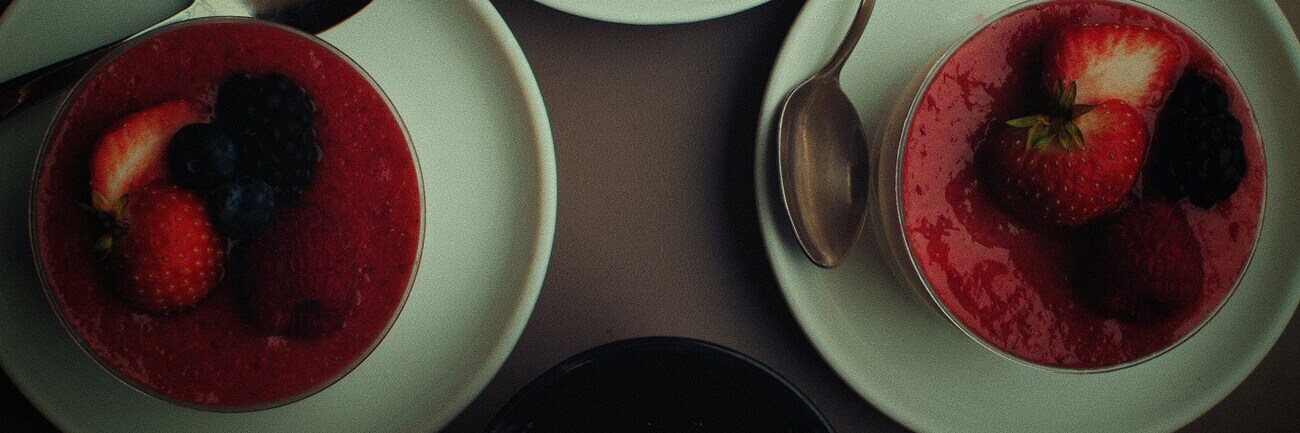
Asian fusion desserts stand out because they feel gentle: the flavours, the textures, the presentation. There’s an elegance to them, whether you’re eating a Hong Kong–style mango bowl or a layered matcha cake. And once people try them, they often get hooked.
Light, Fresh, and Not Too Sweet
A lot of these desserts focus on fresh fruit, airy creams, steamed puddings, and simple ingredients that never feel overwhelming. Japanese shortcakes stay soft and cloud-like. Milk puddings set lightly and taste clean. Hong Kong dessert houses lean on mango, pomelo, and tofu pudding to create bowls that feel closer to a refreshing snack than a sugary treat. It’s a different philosophy, and it’s part of why popular Asian desserts have grown so much here.
Texture Matters
The textures are a huge draw. Think of:
- soft mochi
- bouncy rice cakes
- silky grass jelly
- fluffy mousse
- icy shaved bingsu
- pillowy soufflé pancakes
These sweets give people something fun to chew, stretch, mix, or scoop. A staff member at a downtown café told in a comment, “Texture is the flavour here.” It’s not only about sweetness, it’s the experience of eating something soft or cold or chewy in a really satisfying way.
Flavours You’ll See Everywhere
Matcha and taro have practically become staples at any Asian dessert shop now. Yuzu adds a bright citrus kick. Mango stays at the core of many menus because of Hong Kong influence. Black sesame brings a nutty, earthy taste that feels nostalgic for many Asian households. Injeolmi adds a roasted soybean flavour to Korean desserts, and tofu pudding offers a smooth base for toppings. Even oolong and jasmine tea are finding their way into cakes and pastries.
The Fusion Twist
Another reason people love these desserts is how often you’ll see East-meets-West combinations. Think matcha tiramisu, black sesame chocolate chip cookies, hojicha brûlée tarts, and tea-infused cakes. Bakeries in Toronto are playful. They mix techniques from European pastry shops with flavours from Asia. It makes dessert feel fresher and a little adventurous.
Trending Asian Dessert Styles in 2026
Toronto’s dessert scene has never been more diverse, and you can tell from the lines forming outside cafés on weekends. Before looking at the best spots to try these sweets, here’s a quick look at the trends shaping the year.
Hong Kong–Style Fruit Bowls and Jelly Desserts
These bowls lean on fresh mango, pomelo, coconut milk, tofu pudding, taro balls, and sago. The result is something bright and layered. Grass jelly appears everywhere now because people enjoy its cooling, herbal flavour. It slides smoothly and pairs nicely with fruit or ice cream.
Korean Bingsu and Toast
Bingsu made its way to Toronto years ago, but 2025 feels like the year it goes mainstream. Real fruit, lactose-free milk bases, injeolmi rice cakes, and towering bowls make it both refreshing and fun to share. Korean toast, especially honey butter toast or cheesy galbi toast, often appears alongside bingsu, making for a satisfying sweet–savoury combo. Late-night shops staying open until 4 AM have helped this trend take off.
Japanese Matcha and Tea Desserts
Matcha remains the anchor of Japanese dessert culture. You’ll see it in mousse cakes, Swiss roll cakes, puddings, and shortcakes layered with cream. Tea powders such as hojicha and jasmine also show up in pastries now. Many people appreciate these treats because they feel balanced – the sweetness doesn’t overshadow the tea flavour.
Modern Mochi Everything
Mochi keeps evolving. You’ll find mochi donuts with a chewy centre, mochi rolls filled with cream and fruit, mochi ice cream balls, and even warabimochi drinks. Their soft bounce has become one of the most popular textures among dessert fans of all ages.
Where to Try the Best Asian Desserts in Toronto
There’s no shortage of places to explore, but a few shops stand out because of their creativity and quality. We visited a mix of cafés across the city and pulled together short notes on what they do best.
Honeymoon Dessert
460 Spadina Ave Unit A | $8–$16
This Hong Kong–inspired spot is known for its mango pomelo sago, grass jelly bowls, and tofu pudding with fresh toppings. You’ll also find taro balls, egg waffles, and plenty of warm or chilled soups. It’s a great place to sample the classic styles that shaped modern Asian fusion dessert trends.
Bloom Cafe
596 Yonge St (Wellesley Store) & 255 Beverley St (College Store) | $10–$18 per dessert
Bloom brings the Japanese tea house experience to Toronto. Their cakes come in flavours like matcha yuzu, jasmine Darjeeling mousse, strawberry shortcake, and peach earl grey. They also sell high-quality Japanese tea powders, which explains why the flavours taste clean and aromatic. It’s a relaxing spot, especially for people who enjoy healthy desserts with lighter creams.
HanBingo
382 Bloor St W | $9–$20
If you like fresh fruit, HanBingo will keep you busy for a while. They offer more than ten types of bingsu, including mango cheesecake bingsu, matcha shaved ice, blueberry, melon, and their popular injeolmi version topped with chewy rice cakes. People often mention how refreshing their bowls taste. Their fruit smoothies and real strawberry lattes also get a lot of praise online.
Hodo Kwaja
656 Bloor St W | $2–$15
A long-running Korean bakery on Bloor, Hodo Kwaja specialises in walnut cakes with red bean or mashed potato fillings. You can watch the cakes come off the machine in real time, which is fun for newcomers. They also serve hotteok – soft pancakes stuffed with brown sugar or red bean – plus crunchy senbei-style cookies. It’s one of those places that still carries the warmth of traditional pastry making.
Fuwa Fuwa
408 Bloor St W | $14–$20
This café serves the fluffy soufflé pancakes that many people see on social media. They come in flavours like tiramisu, nutella banana, and blueberry cheese. The pancakes jiggle slightly when the plate moves and taste soft enough to melt. Toronto diners have embraced these pancakes because they feel like eating a dessert cloud.
The Cups
Finch, Steeles, College, Mississauga, Vaughan, Markham & Brampton | $10–$18
The Cups focuses on Korean-style desserts with a modern twist. Their bingsu bowls lean on fruit, matcha, cookies and cream, and ice cream toppings. They also offer parfait-style treats and colourful drinks. With several locations across the GTA, they’ve become one of the easier places to stop for a quick sweet.
Must-Try Asian Fusion Desserts for 2026
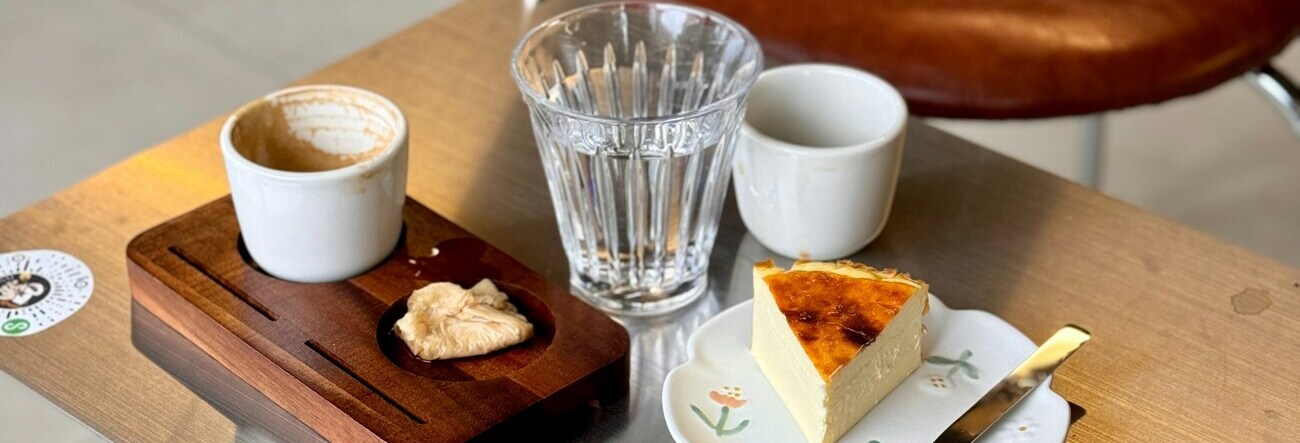
People ask what they should start with if they’re new to popular Asian desserts. Here’s a short list of favourites that represent different regions and flavours.
1 Mango Pomelo Sago
A beloved Hong Kong dessert that blends mango, pomelo, coconut milk, and sago. It tastes bright, slightly citrusy, and refreshing. Many locals call it their go-to bowl on warm days.
2 Matcha Yuzu Cake
This dessert blends earthy matcha with tangy yuzu to create something both mellow and zesty. Japanese pâtisseries in Toronto have perfected this style.
3 Injeolmi Bingsu
Chewy rice cakes, roasted soybean powder, and soft shaved ice make this Korean treat stand out. It’s especially nice in summer because it cools you down without feeling heavy.
4 Grass Jelly with Fresh Fruit
Grass jelly pairs nicely with mango, strawberries, lychee, or coconut milk. It’s one of the lighter options for people looking for healthy desserts.
5 Mochi Donuts and Rolls
Mochi donuts have a chewy ring shape that’s easy to snack on, while mochi rolls wrap fruit or cream inside a thin mochi layer. Both remain staples of various Asian takes on sweets.
Easy Asian Dessert Recipes to Try at Home
Many readers say they enjoy making simple desserts at home, so here are three ideas based on ingredients you can find at most Asian grocers.
3 Simple Recipes You Can Make Tonight
- Matcha latte jelly cups: mix matcha with milk or a dairy-free version, add gelatin, and chill until set.
- Strawberry milk mochi: glutinous rice flour wraps around fresh berries and soft cream.
- Mango sago with coconut milk: cook sago pearls, then mix with coconut milk and ripe mango.
Beginner-Friendly Ingredients to Keep in Your Pantry
- Matcha powder
- Coconut milk
- Glutinous rice flour
- Sago or tapioca pearls
- Red bean paste
These basics make it easy to recreate many of the best Asian desserts with a personal twist.
Note from Our Team
Our passion for desserts started with a simple love for discovering new flavours and textures, especially those that tell stories from across Asia. Toronto has become one of the best cities in Canada to explore everything from Japanese soufflé pancakes to Hong Kong–style fruit bowls, and we built this guide to help dessert lovers find their next favourite spot. Whether you’re visiting an Asian dessert shop for the first time or hunting down the latest bingsu trend, we want this space to celebrate creativity, culture, and the joy of sweets.
We’d also like to make something clear: this website has no connection to the previous owners of The Dessert Kitchen domain or any business that once operated under that name. We’re an independent editorial project focused on sharing insights about Asian fusion dessert trends, cafés, and culture in Toronto. Any references to past businesses are for historical or informational context only. Our content, partnerships, and recommendations are entirely our own.